Eddie Williams Locksmiths • July 16, 2026
Transponder Keys Explained: What They Are & What To Do When Yours Fails
A transponder key is a car key with a small microchip inside that talks to your vehicle's immobiliser system; without that chip, the engine won't start even if the cut is correct. If yours has failed, been lost or stopped talking to the car, a locksmith in Cairns drivers can call on the same day is usually the fastest way back on the road, often without a dealership visit at all.
What Is a Transponder Key?
A transponder key looks like an ordinary car key, but it carries a tiny embedded chip that transmits a unique encrypted code to your vehicle's computer every time you turn the ignition or press start. Most vehicles built from the late 1990s onwards use this technology as standard, which is why the question "what is a transponder key" comes up so often from owners of mid-to-late model cars.
The chip itself needs no battery; it's powered by the electromagnetic field generated by the ignition barrel or a receiver ring near the steering column. When the key is inserted or brought close, the car's immobiliser reads the code and either allows the engine to start or blocks it entirely.
This is different from a standard remote key fob, which just locks and unlocks the doors. A transponder key's job is purely about starting the car. You can have a perfectly cut blade and still get nowhere if the transponder chip inside isn't recognised.
How Transponder Keys Work with Your Car's Immobiliser System
The immobiliser is a factory-fitted anti-theft system that sits between your key and your engine. Every transponder key is registered against a specific vehicle's immobiliser during programming, so the car will only start for keys carrying an approved code.
Here's the sequence in practice: you turn the key or press the start button, the immobiliser's antenna ring sends a signal, the chip in your key responds with its stored code and the immobiliser checks that code against its approved list. If it matches, the engine control unit is authorised to start. If it doesn't, because the chip is damaged, the wrong key is used or the code was never registered, the car will crank but won't fire or won't crank at all.
This is exactly why a lost transponder key is more complicated than a lost house key. It's not just about getting a new key cut; the new key's chip has to be introduced to the immobiliser and in many cases, the old key's code needs to be deleted so it can no longer start the vehicle.
Why Transponder Keys Can't Be Copied at a Regular Key Kiosk
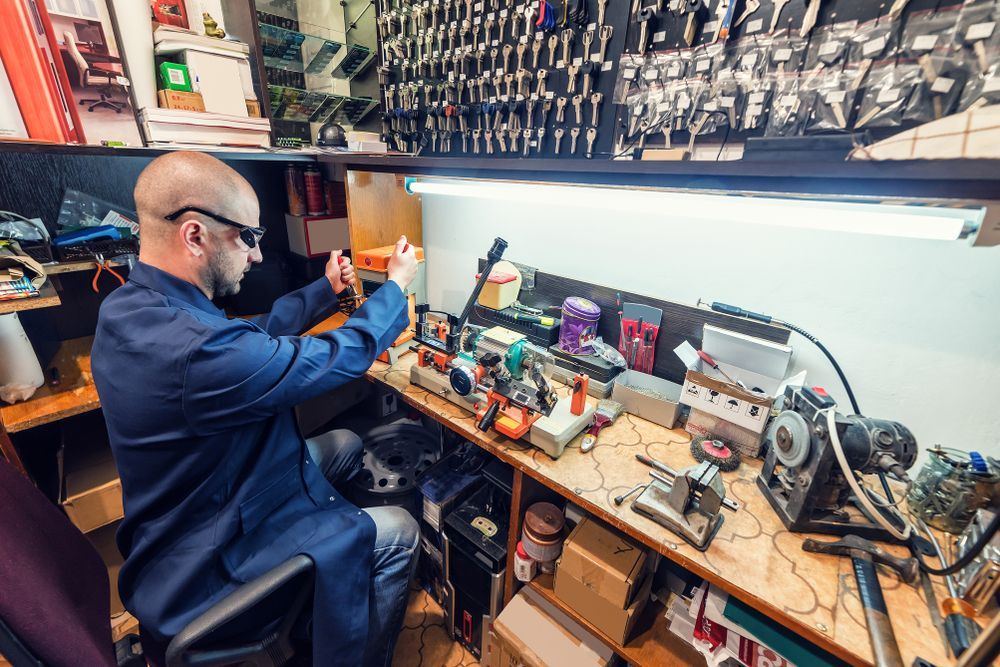
A shopping centre key kiosk can cut a blade to match your existing key, but it generally can't program the transponder chip inside it. Cutting the metal is only half the job — the chip still needs to be paired with your vehicle's immobiliser using diagnostic equipment that reads and writes to the car's onboard computer.
Some kiosks and generic locksmiths advertise "car keys" without being upfront about this limitation and customers occasionally end up with a key that turns the ignition but doesn't start the engine. For example, a Cairns tradie once brought in a freshly cut key from a hardware store kiosk, only to find the car cranked but wouldn't start; the blade was correct, but the chip had never been programmed.
Automotive locksmith work requires specific software, programming tools, and for a growing number of makes and models, access to security codes that are only released to accredited locksmiths or dealers. This is the gap that a dedicated automotive locksmith in Cairns is set up to close.
Signs Your Transponder Key Is Failing
Transponder keys don't usually fail without warning. A few common signs tend to show up first, and catching them early can save you from being stranded:
- Intermittent starting issues: the car starts fine most of the time but occasionally needs a second or third attempt.
- A dashboard immobiliser light: the light flashes or stays on when it normally wouldn't.
- The key only works from certain angles: in the ignition, suggesting the internal chip or antenna coil has a poor connection.
- A worn or cracked key housing: which can expose the chip to moisture or physical damage over time.
- The spare key stops working: the main key still functions, often a sign the chip's battery-free circuit has degraded.
If you notice any of these, it's worth getting the key checked before it fails completely — ideally somewhere other than on the side of the highway.
What to Do If You've Lost Your Transponder Key
Losing your only transponder key is stressful, but the process for sorting it is fairly consistent. First, confirm you actually need a full replacement rather than just a spare; if you still have one working key, a locksmith can usually cut and program an additional one without deleting anything.
If the lost key was your only key, the priority shifts to security. A professional locksmith can program a new transponder key and where the vehicle allows it, erase the lost key from the immobiliser's memory so it can no longer start the car. This matters most if the key was lost somewhere your address or vehicle details could be identified, such as inside a stolen bag.
Depending on the vehicle, this can be done via the ignition barrel and existing working keys, or it may require connecting to the car's diagnostic port with specialised equipment. Some newer or higher-security vehicles need a code retrieved from the manufacturer which can add a short delay. A locksmith who does this work regularly will know in advance which category your vehicle falls into and can set realistic expectations for turnaround.
Why You Need a Professional Automotive Locksmith for Programming
Programming a transponder key isn't guesswork, it's a precise process that has to match your vehicle's exact make, model and immobiliser generation. Getting it wrong doesn't usually damage the car, but it can waste time and in rare cases repeated failed programming attempts can trigger a security lockout that requires dealer intervention to clear.
A qualified automotive locksmith carries diagnostic tools that communicate directly with the vehicle's immobiliser, along with a library of programming protocols across different manufacturers and model years. This is what separates automotive locksmith work from general key cutting — it's as much about electronics and vehicle security systems as it is about metal.
There's also a security dimension. A legitimate locksmith will typically ask for proof of ownership before programming a key, which protects you as the vehicle owner. It's a small step, but it reflects the seriousness of what's being handled — a key that can start your car and unlock your vehicle's security system.
Getting Your Transponder Key Replaced or Programmed in Cairns
If you need a car key cut and programmed in Cairns, the process typically starts with identifying your vehicle's make, model and year, since this determines which chip type and programming method apply. From there, a mobile automotive locksmith can usually come to you, whether that's at home, work or the roadside, rather than requiring a tow to a workshop.
Transponder key cost in Australia varies depending on the vehicle and chip type, generally sitting higher than a standard key due to the programming equipment and technical skill involved, but well below dealership pricing in most cases. Eddie Williams Locksmiths handles transponder key replacement and programming across Cairns and the surrounding suburbs, working directly with the vehicle's immobiliser system rather than relying on generic key-cutting equipment alone.
If your transponder key has started acting up or you've lost it altogether, the practical next step is to get it assessed by a locksmith who specialises in automotive work before you're left without a working key entirely. For more information, contact our team today!
Frequently Asked Questions